
How to Properly Document Storm Damage for a Successful Insurance Claim
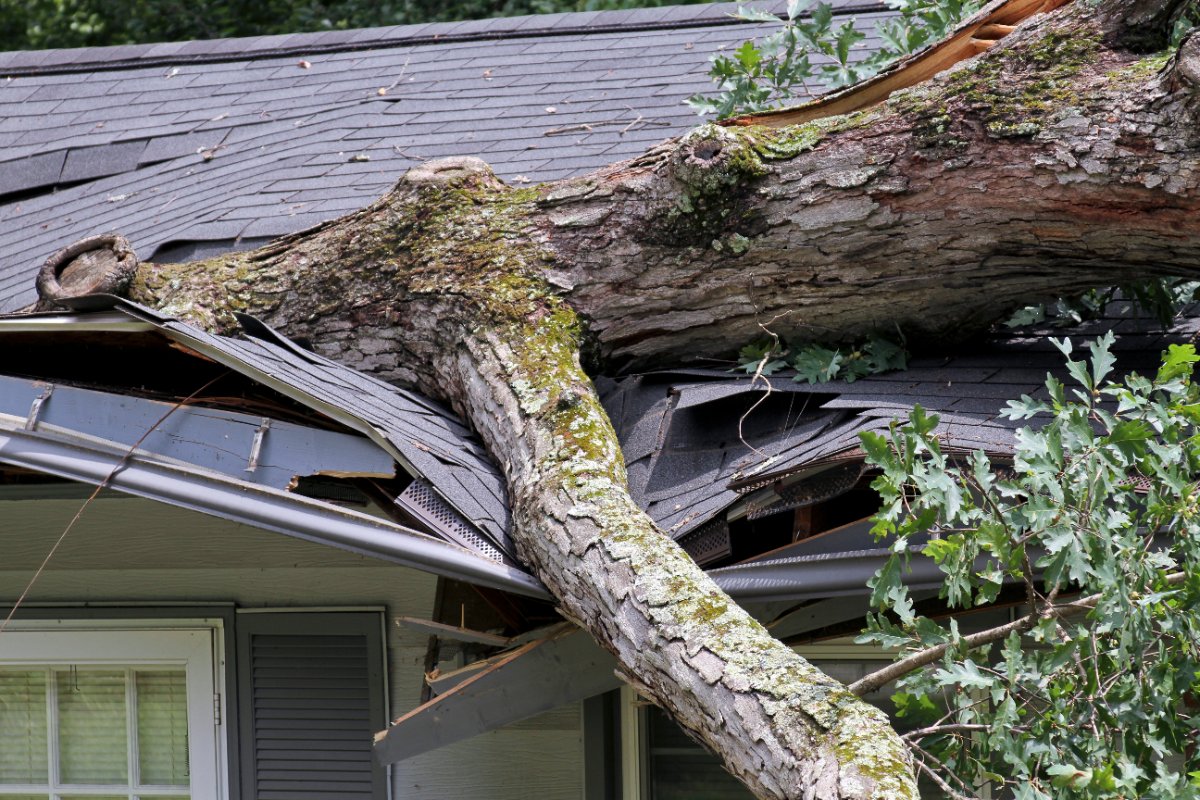 Properly documenting storm damage could be the difference between a successful property insurance claim and a delay or denial. Doing things correctly and in a timely fashion could increase your chances of getting full and fair payment, quickly and easily. Remember, however, that your safety should always be your number one priority.
McWherter Scott & Bobbitt PLC focuses exclusively on insurance law, and our storm damage lawyers represent policyholders across Tennessee, the Southeast, and the Midwest. We can walk you through how to document a claim, what mistakes to avoid, and when you should seek legal help.
Steps you should take to protect your property and your claim
The most important thing after a severe storm is your safety. If your home or business sustained structural damage, ensure that there is no danger from electricity, gas lines, or a roof cave-in. If your safety is in question, secure the property and leave until you can address the danger.
Once you know you are not in harm’s way, you can begin the process of documenting the damage and filing a property insurance claim. Follow these steps:
Contact your insurance provider
You should contact your property insurance provider as soon as possible after a storm. Most policies require you to promptly notify the insurance company.
Failure to notify your insurer within the deadlines could lead to complications, delays, or even bar you from making a claim. It could also lead to scrutiny about whether the damage actually occurred during a storm.
Take photographs
Before you clean anything up or make any repairs, take photographs of your damaged property. Also, ask your insurance carrier if you can begin cleaning up before you take any such action to avoid a claim of spoliation by the carrier.
You should document structural damage, as well as damage to furnishings, appliances, and personal items. Pay particular attention to documenting items of value, such as collectibles, antiques, or artwork.
Make an itemized list
You should create an itemized list of all of your damaged property and household goods as you take photos.
Go room by room and note anything that needs to be repaired or replaced. Include a brief description of each item, including the brand, model, when you purchased it, and its condition before the storm. If you have receipts or other documentation to verify an item’s value (such as a jewelry appraisal), make copies for your claim.
You should also note exactly how each item was damaged. Storms can produce high winds and cause flooding, and these claims are usually separate and often covered by different insurance companies. Our storm damage lawyers can review and explain your available policies.
Protect your property from further damage and track repairs
Once you have documented all of the damages, do not begin repairs until your insurance adjuster has inspected the property. Be clear in your communication with the adjuster regarding the proposed repairs and secure agreements prior to making repairs if possible. The first issues you should address are those that could lead to more property destruction, such as holes in windows or the roof. If you must leave your property, make sure you lock the doors and secure it as much as possible.
Keep a list of the repairs you make, along with any receipts or estimates for supplies or work. If you can, take photos before, during, and after.
Keep records
Start a file and keep everything you have related to your claim in one, organized place. You should include the documentation you made of the storm damage, information regarding repairs and related expenses, and any and all communications with your property insurance company or its insurance adjusters.
Common documentation errors
It is easy to make mistakes that could delay your insurance claim or result in denial, especially if you have never dealt with a storm damage claim before.
Some common documentation errors that you should avoid include:
- Cleaning up before documenting the damages: It can be a challenge to leave your home or business in disarray, even temporarily, but you must document everything before you clean up or make repairs. If you do not, the insurance company may not have the information it needs to fully pay your claim.
- Not checking closely for water damage: Missing roof shingles or broken siding are easy to see. Water damage from wind-driven rain, not so much. Make sure you closely inspect both the inside and outside of your property for water damage.
- Failing to make an inventory or save paperwork: The insurance company probably will not compensate you for the contents of your home or business if you cannot prove what was there. Do not skip making a detailed inventory, and when you take photos, make sure they are clear and well-lit. Do not throw out any paperwork or receipts related to your claim or repairs.
- Not obtaining your own estimates: If your property has significant damage, it is always a good idea to get your own estimates from reliable, licensed contractors, rather than relying solely on the insurance company’s adjusters.
When should you hire a storm damage lawyer?
If you have severe storm damage to your home, business, or commercial property, engaging our property damage lawyers from the start of your claim could benefit you. We can help you thoroughly document the destruction and fight to protect your rights from the very beginning. If you have already filed a claim and are running into delays, denials, lowball payments, or bad-faith tactics, you should consult with our attorneys about your legal options.
Our storm damage lawyers could:
- Identify your coverage options and prepare and file your claims
- Work with contractors, adjusters, estimators, and other professionals to assess your damages and ensure fair payment
- Communicate with the insurance company on your behalf, including negotiating for the maximum payment possible
- Investigate delayed payments
- Appeal denied or underpaid claims
Contact a storm damage lawyer with McWherter Scott & Bobbitt PLC
Properly documenting storm damage can help you resolve your insurance claim quickly and efficiently, but it does not always guarantee you will receive full and fair payment.
Working with McWherter Scott & Bobbitt PLC’s storm damage lawyers can give you a legal ally who can help resolve any issue that may arise with your claim. We only represent insurance policyholders, and getting our clients the money they need is our number one priority.
Contact us today to learn more.

Whether in a courtroom or a duck blind, Clint Scott pursues excellence in all of his endeavors. With a demeanor that’s part Grizzly Bear and part Teddy Bear, he is not the typical lawyer, but then again the Firm isn’t a typical law firm. Learn More