
The Impact of Hailstorms on Roofs: Insurance Claim Filing Considerations
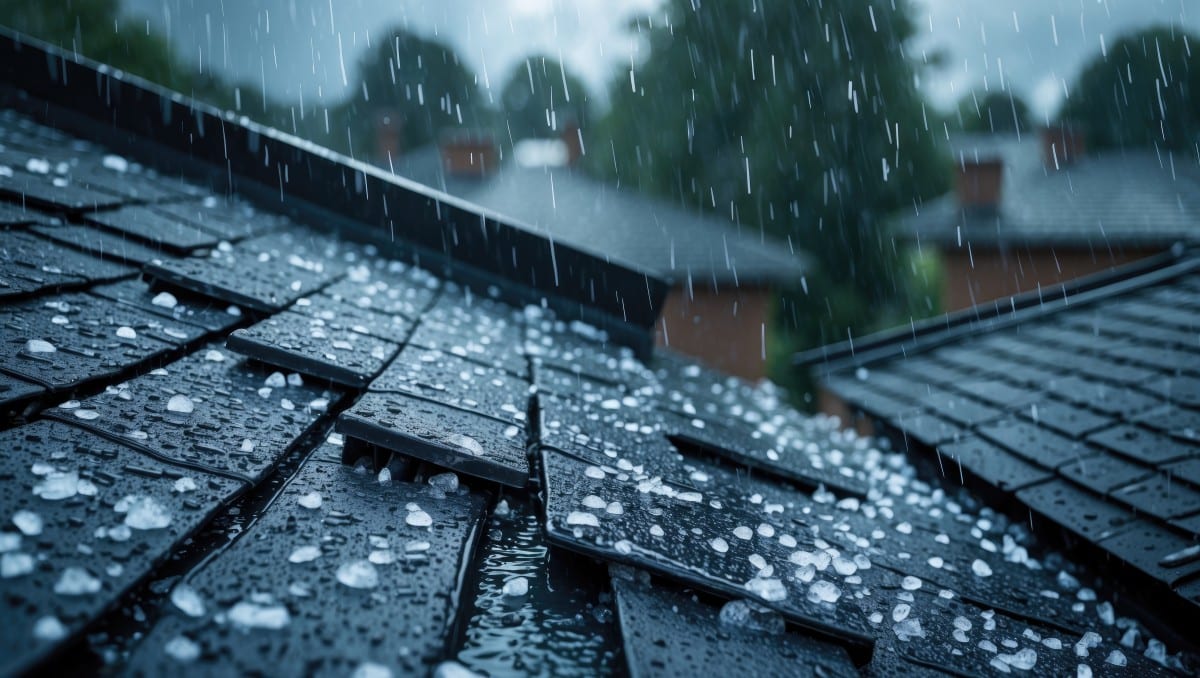 Hailstorms occur across many parts of the United States each year and can cause significant damage to residential and commercial roofing systems. Even relatively short storms can produce hail large enough to compromise shingles, metal roofing components, and other roof materials.When those storms hit, roofs tend to take the brunt of the damage. Shingles can crack or lose protective granules, metal components can dent, and gutters or flashing may be bent out of place. Sometimes hail damage is visible immediately after a storm. In other cases, the damage occurs during the storm but is not discovered until months later, often when a contractor inspects the roof or a leak develops.
Most homeowners’ insurance policies cover hail damage to the structure of the home. That generally includes the roof, siding, windows, and attached structures. If hail damages the roof and water later enters the home, the resulting interior damage may also be covered under the policy.
But having coverage does not necessarily make the claim simple. Roof claims often turn on questions about when the damage occurred, what caused it, and how much of the roof actually needs to be replaced.
This article looks at what hail damage to roofs commonly looks like and some of the issues that tend to come up when homeowners file insurance claims after a storm, and how an experienced hail damage insurance attorney can help.
Does your homeowner’s insurance cover hail damage?
In many cases, hail damage is covered under the dwelling portion of a homeowner’s insurance policy. That part of the policy typically applies to damage to the home itself, including the roof and attached structures.
The exact scope of coverage depends on the policy language. Some policies include specific provisions dealing with wind and hail losses. Others contain separate deductibles that apply only to named storms, for example.
A close reading of the policy often answers two basic questions: whether hail damage is covered and whether there are limitations that affect how the loss will be evaluated.
Some policies, for example, contain provisions addressing cosmetic damage to roofing materials. Others limit how certain roofing materials are valued when repairs are calculated.
Those details can matter later if a disagreement develops about the claim.
What kinds of roof damage typically result from a severe hailstorm?
Some hail damage is easy to see. Missing shingles, cracked tiles, dented gutters, and bent flashing often show up right after the storm. Other damage is less obvious.
Hailstones can bruise asphalt shingles or knock loose the protective granules that help shield the roof from weather. The roof may still look intact from the ground, but the protective layer has been compromised.
Leaks sometimes appear weeks or months later.
Looking at other parts of the property can also provide clues. Dented gutters, damaged window screens, chipped siding, or marks on outdoor equipment often suggest the storm was strong enough to damage the roof as well.
In practice, homeowners often first notice the damage somewhere else on the property and only later realize the roof may have been affected.
Gather evidence of the hail damage
One challenge with hail claims is that the hail itself disappears quickly. By the time an insurance adjuster arrives, the storm is long gone.
That is why documentation taken soon after the storm can be helpful later.
Video evidence
If it can be done safely, photographs or video taken shortly after the storm can show the size of the hail and the condition of the property.
Images of hailstones on the ground, dents in gutters, or damage to siding can help document the severity of the storm and support the overall assessment of roof damage. Collateral indicators like these can also serve as persuasive evidence that hail impacted the property.
It helps to photograph the property from several angles.
Maintaining clear documentation
Keeping clear records can be helpful throughout the insurance claim process. Property owners often document when the storm occurred, what conditions were observed afterward, and when potential damage was first discovered.If conversations take place with insurance representatives or contractors, keeping track of those communications can make it easier to follow the claim timeline.
This is also a good time to review the applicable insurance policy provisions. Understanding items such as the deductible, coverage terms, and notice requirements can help avoid misunderstandings later in the claim process.
In more complex situations, experienced insurance counsel can help review policy provisions, organize claim documentation, and ensure the information being provided to the insurer accurately reflects the damage to the property.
Contact your insurance company
Once you believe the roof may have been damaged, the next step is to notify the insurance company.
Most policies require prompt notice after a loss. The insurer may also request a proof-of-loss statement or other documentation before evaluating the claim.
Many homeowners’ insurance policies include a contractual deadline for filing a lawsuit if a dispute arises over the claim. In some policies, that deadline may be as short as one year from the date of loss.
Whether these shortened deadlines are enforceable can depend on state law. Some states allow insurers to include contractual suit limitation provisions, while others impose statutory minimum time periods or prohibit shortening the standard statute of limitations.
Because these rules vary by jurisdiction and policy language, policyholders may wish to review their policies carefully to understand any applicable deadlines.The sooner you notify the insurer, the sooner the inspection process can begin.
Get repair estimates
If the roof has been damaged badly enough to require immediate attention, temporary repairs may be necessary to prevent further damage.
Covering exposed areas or addressing active leaks can help protect the home until the insurance claim is resolved.
Receipts for those temporary repairs should be kept, since they are often reimbursable under the policy, as long as the loss is covered by your insurance company.
Having qualified roofing contractors inspect the roof and prepare repair estimates can help clarify the scope of potential damage. In some cases, obtaining more than one estimate provides a clearer understanding of the repairs required to restore the roof. Those estimates sometimes become important if there is a disagreement about the scope of the damage.
Meet with your insurance adjuster
After the claim is reported, the insurer will usually assign an adjuster to inspect the property.
That inspection plays a large role in how the claim is evaluated. The adjuster’s report often becomes the basis for the insurer’s repair estimate.
If possible, homeowners should attend the inspection so they can walk through the property with the adjuster and point out areas of concern.
Sometimes a roofing contractor is present as well. Contractors are often familiar with the kinds of damage hailstorms cause and can identify areas that may not be obvious from the ground.
Photographs and other documentation gathered after the storm are typically shared during this inspection.
If the inspection appears incomplete, policyholders sometimes request a follow-up inspection.
Evaluating and resolving the claim settlement
After inspecting the property, insurers typically prepare an estimate identifying the repairs they believe are covered under the policy.
In some situations, disagreements arise over the scope of repairs needed to restore the roof. For example, if damaged shingles cannot be reasonably matched with existing roofing materials, replacing only a small section of the roof may leave the property with a visibly inconsistent appearance.
Many states have laws or regulations addressing these types of matching issues, while in other jurisdictions the outcome may depend on the policy language and the specific facts of the claim. As a result, disputes sometimes arise over whether larger portions of the roof must be replaced to achieve a reasonably uniform result.
These differences in repair scope can significantly affect the amount offered to settle the claim.
Contractor estimates, photographs, and inspection reports often become part of the discussion at this stage. Occasionally additional damage is discovered once repairs begin, which can lead to a supplemental claim.
Dealing with denied or underpaid claims
Even when the damage appears straightforward, disputes sometimes arise.
An insurer may conclude that the roof damage existed before the storm or resulted from normal wear rather than hail. In other situations, the insurer may characterize the damage as cosmetic.
Procedural issues sometimes come up as well. Late notice or missing documentation can complicate the claim.
If an insurer refuses to pay a valid hail claim in bad faith, policyholders may have additional legal remedies available. The specific standards, penalties, and procedures governing bad-faith claims vary by state law.
Do you have a hailstorm-related roof repair claim?
A hailstorm can leave homeowners dealing with roof damage that is not always visible right away. Discovering that the insurance claim is delayed or disputed can make the situation even more difficult.
Careful documentation of the damage and a clear understanding of the policy can help avoid some of the problems that arise with hail claims.
McWherter Scott & Bobbitt represents policyholders in property insurance disputes, including claims involving hail damage and other storm-related losses. Our work often involves reviewing the insurance policy, evaluating how the claim was handled, and examining the documentation surrounding the loss. Call or contact us online today to discuss your claim with our team.

Brandon McWherter has dedicated his practice to assisting insurance policyholders with their claims against insurance companies, including claims for bad faith. He is licensed in Tennessee, Arkansas, and Mississippi. Learn More