
Denied Wildfire Damage Claim? Here’s How to Fight Back
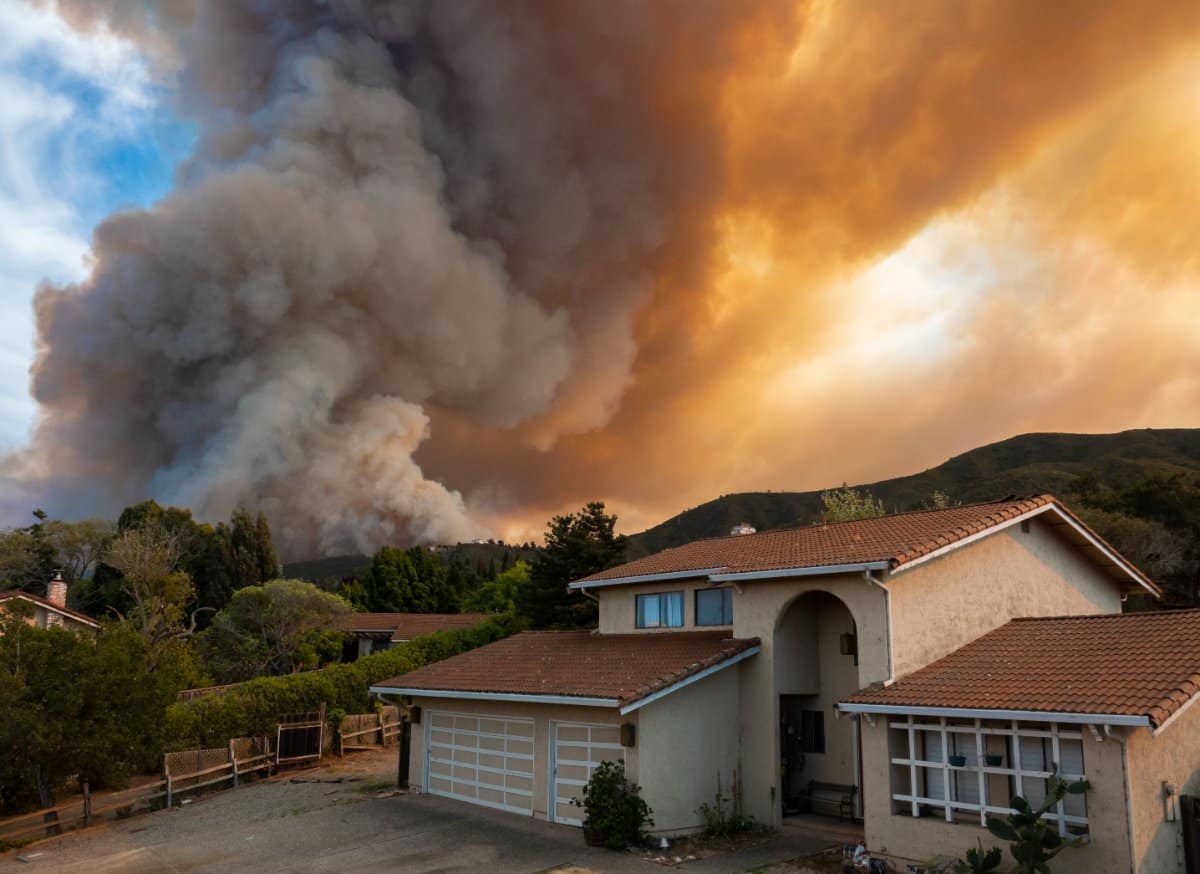 If your home or business was damaged or destroyed by a wildfire, your property insurance coverage is supposed to be a lifeline. However, all too often, insurance companies deny wildfire damage claims or look for reasons to pay less than is owed, leaving claimants wondering how they will rebuild and recover.
Fortunately, denials do not have to be the end of the road. You can challenge the denial, and a wildfire lawyer with McWherter Scott & Bobbitt PLC can help. Our firm represents insurance policyholders, and we have extensive experience resolving disputes for clients across Tennessee, the Southeast, and the Midwest.
What wildfire damage should your property insurance cover?
One of the first steps in understanding why insurance denied your property damage claim and how to fight back is knowing exactly what your policy should cover.
Wildfire damage is included in most standard insurance policies. There are some exceptions. In high-risk areas, some policies may exclude them or require higher premiums or deductibles. You must check your policy’s to find out if you have wildfire damage coverage and if there are any special requirements for filing a claim. This coverage may be listed as a covered peril for a named peril policy, or may be addressed in the exclusions for an all risk policy
If you do have wildfire insurance, it usually extends to outbuildings on your property, such as garages and sheds, and pays for:
- Smoke damage
- Repairing structural damage or rebuilding structures
- Building contents, including furnishings, appliances, and personal possessions
- Additional living expenses (ALEs) if you must leave your home due to damage, such as money for meals and hotel stays
- Business losses if you have a business policy with applicable coverage, such as damaged inventory, business income, or extra expenses
Sometimes, unraveling your coverage can be complex. Our wildfire attorneys can help you review your policy and determine what insurance will and will not pay.
Why did insurance deny your wildfire claim?
Common reasons for a wildfire denial include:
Issues with your policy
Several issues related directly to your policy can lead to a claim denial.
First, you must be up to date on your payments. If you missed a premium payment or paid late, your insurer may attempt to deny your claim asserting a lapse in coverage or policy cancellation. Next, wildfires must be either included in your policy’s “covered perils” for a named peril policy, or must not be excluded if you have an all risk policy.
Finally, you have to notify your insurance company of your claim promptly, as they typically place such a requirement in the policy.
Lack of documentation/failure to mitigate
You must document the wildfire damage to your structures and personal property as clearly and completely as you can. Photos and video of the damage, along with an itemized list of prices and estimates, can significantly strengthen your insurance claim and protect against denial or underpayment.
Additionally, you have a responsibility to secure your property against further damage. You should take reasonable steps to protect it, such as covering holes in windows and the roof. If further damage occurs from a failure to secure a structure, the insurance company may assert this as a basis for refusing payment.
Misrepresentation or fraud
The insurance company may deny wildfire claims if its investigation gives it a reasonable basis to conclude that the policyholder intentionally caused the damage or submitted a fraudulent claim.
Is your insurance company acting in bad faith?
Unfortunately, you cannot always count on insurance companies to act in good faith, even though they have a legal obligation to do so.
There are signs your insurer may not be dealing with you fairly. One is a lack of communication. You should not feel like your insurance company is purposely avoiding or ignoring you. You pay your insurance premiums so you have help when you need it, so you also should not feel like your company is making things harder. Constantly losing documents, asking for more paperwork, or demanding multiple estimates for the same repairs could all indicate bad-faith conduct.
Finally, your insurer should be upfront with you about the terms of your policy. They should address any questions you have, not give vague responses. They should also promptly and thoroughly investigate your claim.
If you suspect your insurance provider is not treating you in good faith, you should consult with an attorney.
Our wildfire damage lawyers can help you dispute a denial
You can dispute denied wildfire claims, and our lawyers can help. We advocate on behalf of policyholders and work tirelessly to get the protection your coverage is supposed to provide.
We communicate with the insurance company so you do not have to, starting with reviewing your claim to understand why your insurer denied it. We can identify the best grounds on which to challenge their refusal to pay and build a case with evidence. We can then resubmit your claim and represent you during insurance negotiations.
If the insurance company continues to unfairly deny your claim, even after we challenge the denial, we can file a lawsuit to seek payment. You may have a case for breach of contract or bad faith, but there are deadlines for taking legal action.
Tips for disputing a denied wildfire claim
If you receive a denial of your wildfire claim or the insurance company will not pay in full, take these steps to begin disputing the denial and increase your chances of a successful outcome:
- Understand why insurance will not pay: Review your insurance policy and the denial letter line by line, making sure you understand why your provider denied your claim. If it is not clear, contact your insurance company and ask for more information. You can also request a copy of your insurance policy.
- Keep records: Save whatever documentation you make of your damages or communications with your insurance company. Do not delete any images or emails, and do not throw away paper copies.
- Gather additional evidence: You do not have to accept the estimates and bids provided by adjusters and estimators sent by your insurance company. You can hire your own professionals to provide you with additional evidence, and we can assist with this process.
- Consult with a lawyer: It may be a good idea to contact our lawyers as soon as you have any trouble with your wildfire claim. We can use our knowledge of the insurance industry to take immediate steps to defend your rights. We will do everything we can to help you correct any mistakes and get your claim paid.
Contact McWherter Scott & Bobbitt PLC for help today
At McWherter Scott & Bobbitt PLC, we know how stressful and frightening it can be to wait on the insurance company for payment after a disaster like a wildfire. If you receive a claim denial, our wildfire lawyers are here to help you fight back, and we work quickly. We can handle your claim dispute and tirelessly pursue the money you need to get your life back on track.
Contact us today to learn more. We serve clients from offices in Tennessee, Mississippi, Kentucky, Alabama, and Arkansas.

One of the Mid-South’s Super Lawyers, Jonathan Bobbitt is a civil trial lawyer that has one singular focus – to obtain the best possible result for his clients. Passionate, thoughtful and relentless, this guy loves to spend his free time running 50-plus miles through mountains, deserts and country roads. Learn More