
Jackson Water/Mold Damage Insurance Attorney
Legal counsel for water and mold-related insurance disputes in Jackson
Water intrusion and mold growth can develop quietly, often before the full scope of the problem is visible. By the time staining, odors, or structural damage appear, the underlying issue may have been present for some time. Insurance is meant to address certain types of property damage, but coverage for water and mold losses often depends on how the damage began, how long it developed, and what the policy allows.
When questions arise about coverage, delays, or partial denials, a closer look at the policy and the insurer’s investigation may be necessary. McWherter Scott & Bobbitt, PLLC represents policyholders in insurance coverage disputes, including those involving water damage and mold-related losses in Jackson and throughout West Tennessee.
Table of contents
- How mold damage occurs
- How McWherter Scott & Bobbitt evaluates Jackson water/mold damage insurance disputes
- Signs you may have a mold problem
- Health risks associated with mold
- How mold claims become disputed
- How to strengthen a water/mold damage claim
- Need legal guidance from Jackson lawyers who understand water or mold damage insurance struggles?
How mold damage occurs
Mold and water damage are not always tied to a single, sudden event. In many cases, the damage can develop over time, often from conditions that initially appear minor or routine. Understanding how mold and water damage issues arise can help explain why coverage disputes are so common.
Common sources of water and mold damage include:
- Leaking pipes and fixtures. A slow leak under a sink, behind a wall, or within a ceiling cavity can create enough moisture for mold growth before it is detected.
- Poor ventilation and persistent humidity. Rooms such as bathrooms, basements, and laundry areas can trap moisture, leading to mold growth, even when there is no visible leak.
- Drainage and gutter problems. Improper drainage around a foundation or clogged gutters can direct unwanted water toward the structure.
- Storm-related water intrusion. Wind-driven rain or roof damage can allow water to enter the building. In some cases, mold develops after the initial event if moisture is not fully addressed.
Insurance policies often distinguish between covered causes of losses such as sudden and accidental water damage versus long-term or maintenance-related leaks. Those distinctions are important when determining insurance coverage.
How McWherter Scott & Bobbitt evaluates Jackson water/mold damage insurance disputes
Water and mold claims can include detailed analysis of policy language regarding causation. Disagreements can happen when there are questions about whether the damage resulted from a covered event, whether any exclusions apply, or how the loss should be valued.
At McWherter Scott & Bobbitt, our work representing policyholders includes:
- Reviewing insurance policies, endorsements, and exclusions to evaluate potential coverage
- Analyzing the insurer’s investigation, including inspection reports and adjuster findings
- Identifying issues related to causation, timing, and the scope of damage
- Evaluating repair estimates, expert reports, and documentation submitted as part of the claim
- Communicating with the insurer regarding disputed aspects of the claim
- Pursuing resolution through negotiation, appraisal, or litigation if necessary
Signs you may have a mold problem
Mold is not always immediately visible. However, sometimes there are early warning signs. Common indicators that you might have mold include:
- Persistent musty or damp odors
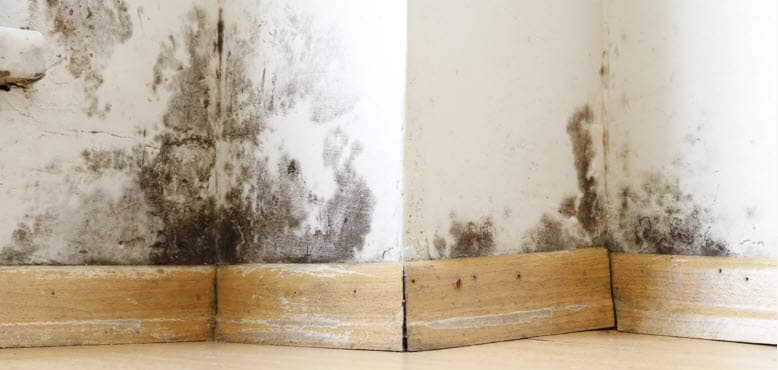
- Visible discoloration or spotting on walls, ceilings, or baseboards
- Peeling paint or warped materials in moisture-prone areas
- Recurring condensation or dampness in enclosed spaces
- A history of leaks, flooding, or water intrusion
If these conditions are present, a qualified professional, such as an environmental consultant or air quality hygienist, can help identify mold and determine the source of moisture.
Health risks associated with mold
Mold can cause various health issues. While it affects individuals differently, the most commonly reported symptoms include:
- Congestion or sinus irritation
- Irritation of the eyes or skin
- Persistent cough or cold-like symptoms
- Aggravation of asthma or respiratory conditions
- More severe reactions in sensitive individuals
Some research also suggests a connection between early mold exposure and an increased risk of developing asthma in children.
How mold claims become disputed
Insurance claims involving mold and water damage are often more complex than other types of property damage claims. This is often a result of how policies treat mold and how insurers evaluate the cause of the loss.
Several issues frequently lead to disputes:
Initial inspections may not capture the full scope
Inspections conducted shortly after a loss may focus on visible damage. Mold that develops later or remains hidden behind walls or under flooring may not be identified in early reports. When additional damage is discovered, questions can arise about whether it relates back to the original claim.
Disagreements about timing and cause
Disputes frequently arise regarding when the mold appeared and what caused it. Insurance companies typically assess whether the mold was the result of:
- A sudden, insured water incident
- A persistent leak or a maintenance oversight
- Construction flaws or installation errors
These distinctions are significant. Many insurance policies have provisions that can restrict or exclude coverage for damage that accumulates gradually or stems from problems that weren't dealt with in a timely manner.
Coverage limitations and exclusions
Mold coverage is typically excluded or limited as a cause of loss itself, but water damage causing the mold may be covered, depending on the particular policy provisions applied to the unique facts of the claim.
Endorsements may modify these provisions, but the language is often narrow and fact-specific.
Disputes over the existence or extent of mold
In some cases, insurers can question whether any staining or discoloration constitutes mold or whether remediation is necessary. When there are disagreements about scope and cost, expert opinions may be helpful.
Because these issues involve both factual and policy interpretation questions, mold claims are rarely straightforward.
How to strengthen a water/mold damage claim
A water or mold-related claim often involves detailed documentation and a clear understanding of how the loss occurred. While each situation is different, certain steps may help support the claim process.
Document the condition of the property
Photographs, videos, and written records can help establish:
- The location and extent of visible damage
- The condition of materials and personal property
- Any progression of damage over time
Maintaining a record of when damage was first observed can also be relevant to questions about timing.
Report the loss promptly
Reporting the claim as soon as reasonably possible can help avoid disputes about delayed reporting. It may also allow the insurer to inspect the property before conditions change.
Identify the source of water intrusion
Coverage often depends on whether the water damage resulted from a covered cause of loss. Locate and organize documentation, such as repair invoices, plumber reports, or roof inspections, that may help clarify how the issue began.
Preserve relevant records
Receipts, maintenance records, and prior inspection reports may become part of the claim file. These documents can be relevant if the insurer raises questions about pre-existing conditions or maintenance.
Consider independent evaluations
Property owners sometimes retain independent professionals—such as contractors, engineers, or environmental consultants—to assess the mold or water damage and provide repair or remediation estimates. These reports can become part of the documentation submitted to the insurer.
Be prepared for follow-up questions
Insurers may ask about prior repairs, maintenance practices, or previous claims. Providing accurate and consistent information is important, as these details may affect how the claim is evaluated.
If questions arise about coverage, scope, or the insurer’s position, legal counsel can help review the claim and advise on next steps.
Need legal guidance from Jackson lawyers who understand water or mold damage insurance struggles?
Water and mold claims can affect a range of properties in Jackson and across West Tennessee. These claims often involve detailed factual questions and policy interpretation issues.
The attorneys at McWherter Scott & Bobbitt can review claim decisions, analyze policy provisions, and advise on available options when coverage is questioned or limited.
The firm’s office is located at 54 Exeter Road, Suite D, Jackson, TN 38305.
Get your Jackson water/mold damage insurance claim reviewed
When a claim involving water intrusion or mold becomes disputed, it may be helpful to have the policy and claim record reviewed from a coverage perspective.
McWherter Scott & Bobbitt represents policyholders in property insurance disputes and can assist with evaluating how policy terms apply to the facts of a loss, as well as addressing disagreements regarding coverage, scope, or valuation.
To discuss your situation,
More Jackson, TN insurance claim types we handle
- Jackson, TN Insurance Dispute Lawyers
- Jackson Tornado Damage Insurance Attorney
- Jackson Vandalism Insurance Attorney
- Jackson Wildfire Insurance Attorney
- Jackson Wind Damage Insurance Attorney
you may contact the firm to schedule a consultation or complete our contact form through the website.